Signs It’s Time to Hire a Professional Moving Company

DIY moving looks appealing on paper. Rent a truck, round up a few friends, and save on labor costs. In practice, it often turns into a much bigger undertaking than expected, with hidden costs, physical strain, and logistical headaches that eat up any money you thought you were saving. Knowing when to bring in professional help can be the difference between a manageable moving day and one that leaves you exhausted, injured, or dealing with damaged belongings.

You’re Moving Heavy or Bulky Furniture

Couches, dressers, appliances, and large pieces of furniture are where most DIY moves start to go wrong. These items are awkward to maneuver through doorways and staircases, and it only takes one wrong angle to damage a wall, scratch flooring, or hurt your back. A company like yallcallihaultx.com brings the equipment and experience needed to move heavy items safely, using techniques and tools that most households simply don’t have on hand.

If your move involves anything heavier than boxes and small furniture, this alone is often reason enough to call in professionals rather than relying on friends and a rented dolly.

You’re Short on Time

Moving Company

Packing, loading, driving, unloading, and unpacking take far longer than most people estimate, especially when juggling work, kids, or other responsibilities. If your moving timeline is tight, whether due to a lease deadline or a new job start date, professional movers can compress a process that might take you days into a single, efficient day.

Time pressure is also when mistakes happen. Rushed packing leads to broken items, and rushed lifting leads to injuries. Hiring help isn’t just about convenience, it’s about avoiding the kinds of costly mistakes that come from trying to do too much too fast.

You Have Fragile or High-Value Items

Antiques, artwork, electronics, and other delicate belongings require more than just careful packing. They need proper padding, correct loading order, and secure placement in the truck so nothing shifts during transport. Professional movers are trained to handle these items in ways that minimize risk, and many companies offer insurance coverage in case something does go wrong.

If you’re moving items that would be expensive or impossible to replace, the cost of professional movers is often small compared to the risk of trying to transport them yourself.

You’re Moving Long-Distance

Long-distance moves introduce a level of complexity that local moves don’t have. You’re dealing with longer drive times, overnight logistics if the trip spans multiple days, and the added stress of not knowing the area you’re driving through. Professional movers who specialize in long-distance relocations understand how to plan routes, secure loads for extended travel, and manage the extra coordination these moves require.

Trying to DIY a long-distance move often means underestimating fuel costs, lodging, and the sheer physical toll of driving a loaded truck for hours at a time.

You Want to Avoid Injury or Property Damage

Even a seemingly simple move carries real risk. Back injuries, strained muscles, and accidental drops are common when untrained people attempt to lift heavy or awkward items. Beyond personal injury, there’s also the risk of damaging your home, whether that’s scraped walls, dented floors, or a doorframe that didn’t quite fit that dresser.

Professional movers carry the right equipment, from furniture dollies to protective padding, specifically to prevent these kinds of accidents. What looks like an unnecessary expense upfront often ends up being cheaper than repairing damage or dealing with a medical bill.

Weighing the Real Cost

When people compare DIY moving to hiring professionals, they often focus only on the sticker price of a moving company’s quote. But the full picture includes truck rental fees, gas, packing supplies, time off work, potential injury, and the risk of damaged belongings. Once all of that is factored in, professional movers frequently come out even or ahead, with far less physical and mental strain along the way.

If your move checks any of the boxes above, heavy furniture, tight timelines, valuable items, long distances, or simply a desire to protect your back and your belongings, it’s worth getting a quote from a professional moving company before committing to doing it all yourself.

Y’all Call I Haul

606 Profit St, Victoria, TX 77901

(361) 541-6858

Getting Started with Oil Painting: A Guide to Art Spectrum’s 40ml Range

Oil painting has a reputation for being intimidating, and a lot of that reputation comes down to how people start. Buying a full set of large tubes before you’ve even worked out which colours you actually use, or which techniques you enjoy, tends to lead to a drawer full of half used paint and a slightly deflated sense that oils weren’t for you after all. Starting smaller solves most of that problem before it begins.

Why Tube Size Matters When Starting Out

This is why Art Spectrum 40ml oil paints are a sensible starting point for anyone trying oils for the first time. A smaller tube size means less money committed before you know what you’re doing, and less pressure to use up an expensive large tube before it dries out or degrades in storage. It also encourages a bit more restraint with mixing, since a smaller amount of paint naturally discourages the kind of wasteful overmixing that’s common when beginners have a large tube’s worth of paint to work through. Once you’ve spent time with a smaller set and worked out which colours you reach for most, moving to larger tubes for your go-to shades becomes a far more informed decision than guessing upfront.

What’s Different About Working With Oils

If you’re coming from acrylics, oil paint behaves quite differently, and it’s worth understanding those differences before your first session. The most obvious change is drying time. Where acrylics dry within minutes, oils can stay workable for hours or even days, depending on the paint and conditions. This isn’t a downside, it’s actually one of the medium’s biggest advantages, since it allows far more time to blend, adjust, and rework an area without the paint setting before you’re happy with it. Cleanup also looks different. Instead of rinsing brushes with water, oils typically require a solvent or a paint conditioning medium, along with proper brush cleaning products designed for oil paint specifically.

Building a Starter Palette

The same logic that applies to starting small with acrylics applies here, just with a bit more attention to how oil colours behave together. A basic starter palette of a few core colours, a red, blue, yellow, white, and black, gives enough range to mix a wide variety of tones while keeping the initial investment manageable. Because oils dry slowly, there’s less pressure to work quickly between colours, which actually makes early palette experimentation more forgiving than it can feel with faster drying mediums.

Basic Setup for Oil Painting

A few pieces of equipment are worth having on hand before your first session. A palette, ideally one suited to oils since some materials can be affected by solvents, gives you space to mix. Brushes designed for oil painting tend to hold up better to solvent cleaning than brushes intended for other mediums, so it’s worth using brushes suited to the job. A canvas or painting board prepared for oils, and a jar or container for any solvent or medium you’re using, round out the basics. If you’re working with solvents, proper ventilation matters. Working in a well aired space, or opting for low odour or water mixable oil options if solvent fumes are a concern, is a sensible precaution worth taking seriously from the start.

Working With Slower Drying Times

The extended drying time of oil paint changes how you approach a painting session in a genuinely useful way. Wet-on-wet techniques, where fresh paint is blended directly into paint that’s still wet on the canvas, become far more practical with oils, since you’re not racing against the clock the way you would be with a fast drying medium. At the same time, if you want distinct, clean layers, allowing a section to dry before painting over it becomes a deliberate choice rather than a race against time. This flexibility, choosing to blend while wet or wait for a layer to set, gives beginners more room to experiment and correct mistakes without the pressure that comes with faster drying paints.

A Starter Checklist for Your First Oil Painting Session

Before diving in, it helps to have the basics sorted. A small set of core colours in a manageable tube size, a couple of oil suited brushes, a palette, a prepared canvas or board, and whatever solvent or medium you plan to use, along with good ventilation, covers what’s needed to get started properly. From there, the best first step is simply spending time mixing colours and getting a feel for how the paint moves and blends, without any pressure to finish a complete piece in that first sitting.

Starting with a smaller, more manageable set of oils takes a lot of the intimidation out of trying the medium for the first time, and it gives you the freedom to learn at your own pace before deciding where your practice goes from there.

The Rise of Gourmet Food Gifting in Australia

Gifting habits have shifted noticeably over the past several years, moving away from generic, mass-produced items toward gifts that feel more considered and personal. Somewhere in that shift, gourmet food has emerged as one of the clearest winners, striking a balance between something indulgent and something genuinely useful. It is not hard to see why. A well-chosen gourmet gift avoids most of the usual pitfalls of gift-giving while still feeling special enough to matter.

Why Gourmet Food Has Become a Popular Gift Choice

Food solves a lot of the problems that other gift categories run into. There is no sizing to get wrong, no strong personal taste to misjudge in the way a piece of clothing or homeware might, and it rarely ends up sitting unused in a cupboard. At the same time, gourmet food feels indulgent in a way that avoids coming across as purely practical or forgettable. Many shoppers now turn to a gourmet online store rather than a general retailer specifically because the range and quality tend to be far more considered, with curated selections that feel deliberately put together rather than mass-produced for a gift aisle.

This combination, low risk paired with a genuine sense of indulgence, explains a large part of why gourmet food gifting has grown so quickly in popularity.

Corporate Gifting Has Embraced Gourmet Food

Businesses have leaned into this trend particularly heavily. Branded merchandise, once the default for client and employee gifting, has increasingly given way to gourmet hampers and food gifts, largely because food avoids the awkwardness that comes with guessing at someone’s taste in a branded item they may never actually use. A well-curated gourmet gift also reads as more thoughtful and less transactional than a logo-covered mug or notepad, which matters in professional relationships where the gesture itself carries as much weight as the gift.

This shift has been especially noticeable around end-of-year corporate gifting, where gourmet hampers have become something close to the default choice for many businesses.

Celebrations and Milestones Driving the Trend

Beyond the corporate world, gourmet food gifting has become common across a wide range of personal milestones. Weddings, housewarmings, new babies, and other celebrations increasingly feature gourmet food gifts, partly because these gifts double as something the recipient can share with family, guests, or visitors rather than something used privately. A hamper brought to a new home, for instance, often gets opened and shared the same evening, giving it an immediate social value that many other gifts do not offer.

This shareable quality is part of what makes gourmet food gifting feel appropriate across such a wide range of occasions, from formal celebrations to casual catch-ups.

The Role of Presentation and Personalisation

As gourmet gifting has grown, presentation has become just as important as the contents inside. Thoughtful packaging, curated themes, and small personal touches like a handwritten note or a selection tailored to the recipient’s known preferences have elevated gourmet gifting well beyond a simple assortment of food items in a box. What used to be a fairly generic gift category now often feels closer to a genuinely bespoke experience, largely because of the attention paid to how the gift looks and feels when it is first opened.

This attention to presentation has become one of the clearest signals of quality in the gourmet gifting space, often mattering as much to the recipient’s first impression as the food itself.

What to Look for When Choosing a Gourmet Gift

When selecting a gourmet gift, a few factors are worth paying attention to. Ingredient quality matters most, since a gift built around mediocre products rarely lands well regardless of how nicely it is packaged. Thoughtful curation, where items are chosen to complement one another rather than randomly assembled, also makes a noticeable difference. Packaging and presentation should feel intentional, and the reputation of the retailer or producer is generally a reliable indicator of overall quality across all of these factors.

Choosing a source known for considered, well-curated selections tends to produce a far better result than opting for whatever happens to be convenient or cheapest at the time.

A Gifting Trend With Genuine Staying Power

Gourmet food gifting has grown because it manages something that many gift categories struggle with, feeling thoughtful and indulgent without the usual risks of guessing wrong. Whether for a corporate relationship, a wedding, or simply catching up with friends, a well-chosen gourmet gift tends to land well far more consistently than most alternatives. For anyone considering their next gifting occasion, it is a trend well worth leaning into

Healthy Eating Habits Begin With A Portion Control Plate

Healthy eating becomes easier when meals are planned with balance, variety, and mindful portions in mind. Simple everyday choices can encourage better nutrition while making meals enjoyable, satisfying, and sustainable. Here are practical habits that can support a healthier approach to eating.

  1. Build Balanced Meals

A well-balanced meal brings together different food groups to provide a variety of essential nutrients. Combining nutritious ingredients can also make meals more satisfying and enjoyable.

  • Include colorful vegetables regularly
  • Add fresh fruits to daily meals
  • Choose wholesome sources of protein
  • Include nutritious grains and other fiber-rich foods
  • Enjoy healthy fats in sensible amounts
  1. Practice Mindful Portion Awareness

Healthy Eating

Being aware of serving sizes can help create a comfortable balance without making meals feel restrictive. Paying attention to portions encourages thoughtful eating and supports consistent healthy habits.

  • Serve reasonable amounts at mealtimes
  • Start with smaller portions and add more if needed
  • Use visual cues to understand serving sizes
  • Avoid automatically taking second servings
  • Listen to hunger and fullness signals
  1. Add More Color To Your Plate

Colorful foods can make meals visually appealing while introducing different vitamins, minerals, antioxidants, and other beneficial nutrients. Choosing a variety of natural foods throughout the day adds both nutrition and enjoyment.

  • Include several vegetable colors
  • Select seasonal fruits when available
  • Mix leafy greens with other vegetables
  • Try different plant-based ingredients
  • Change food combinations regularly
  1. Choose Nourishing Foods

Making nutritious choices more often can provide the body with valuable energy and nourishment. Whole and minimally processed foods can form a strong foundation for everyday meals.

  • Prefer fiber-rich grains
  • Select lean protein sources
  • Enjoy naturally nutrient-rich foods
  • Choose foods with beneficial nutrients
  • Keep nourishing options available at home
  1. Make Hydration A Daily Habit

Drinking enough fluids supports normal body functions and can complement healthy eating habits. Water is a simple choice that can be enjoyed throughout the day and included alongside regular meals.

  • Keep water available during the day
  • Drink regularly rather than waiting until very thirsty
  • Include water with meals
  • Enjoy hydrating fruits and vegetables
  • Pay attention to your body’s fluid needs
  1. Eat Slowly And Mindfully

Taking time to enjoy meals can encourage greater awareness of flavors, textures, and fullness. A relaxed eating pace can also make everyday meals feel more satisfying.

  • Chew food thoroughly
  • Reduce distractions during meals
  • Notice flavors and textures
  • Pause between servings
  • Pay attention to fullness
  1. Keep Healthy Habits Consistent

Healthy eating works best when positive choices become part of a regular routine. Small improvements practiced consistently can create a sustainable approach to nutritious living.

  • Plan meals ahead when possible
  • Maintain regular eating patterns
  • Keep nutritious foods accessible
  • Allow variety in everyday meals
  • Focus on progress rather than perfection
  1. Enjoy Food With Balance

Healthy eating should remain enjoyable, flexible, and positive. Appreciating different foods while maintaining balanced choices can make nutritious habits easier to continue over time.

  • Explore new wholesome recipes
  • Enjoy favorite foods mindfully
  • Include variety across meals
  • Celebrate consistent healthy choices
  • Make mealtimes enjoyable and relaxed

With balanced Portion Control Plate, nourishing choices, mindful eating, hydration, and consistency, healthy eating can become a rewarding part of everyday life. Simple habits can create a positive foundation for lasting wellness and enjoyable meals.

How to Prepare Your Home for a Stress Free Move

Moving is often ranked among life’s most stressful events, right up there with changing jobs or navigating a major life transition. Between packing, coordinating logistics, and saying goodbye to a familiar space, it is easy to feel overwhelmed before you have even loaded the first box. The good news is that most moving stress comes down to a lack of planning, and that is something you can fix. With the right timeline and a few practical habits, you can turn a chaotic move into a smooth, manageable process.

Start with a Moving Timeline

The biggest mistake people make is waiting until the last minute to start preparing. Give yourself at least four to eight weeks before moving day to work through your checklist in stages. In the first two weeks, focus on decluttering and researching moving options. In the following weeks, begin sourcing supplies, notifying important parties of your address change, and packing non essential items.

If you are looking for help with the heavier lifting, a company like Y’all Call I Haul can take care of the parts of moving day that are hardest to manage alone, from bulky furniture to last minute junk removal. Booking movers early, rather than scrambling the week before, gives you far more flexibility on scheduling and pricing.

Declutter Before You Pack

There is no reason to pay to move things you do not want in your new home. Go room by room and sort items into three categories: keep, donate or sell, and toss. Kitchens and closets tend to accumulate the most unnecessary clutter, so start there. Not only does decluttering reduce your total box count, it also lowers moving costs if you are paying by weight or by the hour.

Gather the Right Packing SuppliesHome for a Stress Free Move

Once you know what you are keeping, stock up on sturdy boxes in a few different sizes, packing tape, bubble wrap or packing paper, and a permanent marker for labeling. You do not need to buy everything new. Grocery stores, liquor stores, and online marketplaces often have free boxes available if you ask around a week or two in advance.

Pack Room by Room, Not Randomly

Resist the urge to grab whatever is nearby and toss it in a box. Packing room by room keeps similar items together and makes unpacking far easier later. Label each box with its destination room and a short description of the contents. It also helps to pack a separate essentials box with toiletries, chargers, medications, and a change of clothes so you are not digging through everything on your first night in the new place.

Handle Utilities and Address Changes Early

Set a reminder to schedule utility transfers, including electric, water, gas, and internet, at least two weeks before your move date. At the same time, submit a mail forwarding request and update your address with your bank, employer, and any subscription services. Doing this early prevents the frustrating scramble of missed bills or disrupted service in your first week at the new place.

Protect Fragile and Valuable Items

Wrap breakables individually and cushion them with towels or packing paper inside sturdy boxes. Mark these boxes clearly as fragile so they get handled with extra care. For particularly valuable or irreplaceable items, such as jewelry or important documents, consider transporting them yourself rather than placing them on the moving truck.

Prep Your New Home Before Moving Day

Before the big day arrives, take time to clean your new space while it is still empty, since this is much easier than working around furniture later. Measure doorways, hallways, and stairwells if you have large furniture pieces, so you know in advance whether anything will need to be disassembled. Confirm that utilities are active and ready before you arrive.

Final Thoughts

A stress free move is less about luck and more about preparation. Building a realistic timeline, decluttering early, and handling the details ahead of time can turn a dreaded process into one you feel genuinely in control of. With a solid plan in place, moving day becomes just another step forward, not a source of dread.

What to Look for in a Trustworthy Moving Company Before You Book

Hiring a mover is one of those decisions where you don’t get a second chance to get it right. Once your belongings are on a truck, you’re trusting a company you may have only researched for an hour or two online. With so many movers competing for your business, all claiming to be reliable, affordable, and professional, it can be hard to tell who actually delivers on those promises and who is cutting corners.

The good news is that trustworthy movers tend to share a handful of traits you can check for before you ever sign a contract. Here’s what to look for.

Start With Licensing and Insurance

Any legitimate moving company should be properly licensed and insured. For interstate moves, this means a valid USDOT number issued by the Federal Motor Carrier Safety Administration. For local, in state moves, requirements vary but most states still require some form of registration. A company that can’t produce this information, or gets vague when you ask, is not one you want handling your belongings.

Reputable movers make this easy. Companies like Rainbow Moving & Storage list their licensing and insurance details openly, so customers don’t have to dig for basic proof that they’re dealing with a legitimate business. If a company’s website has no mention of licensing at all, treat that as a signal to ask more questions before booking.

Get a Written, In Home or Video Estimate

Moving Company

Be cautious of any mover willing to give you a firm price over the phone without ever seeing what you own. Reputable companies typically conduct an in home walkthrough or a video survey so they can accurately estimate the volume and weight of your belongings. This protects both sides from surprises on moving day.

It’s also worth understanding the difference between a binding estimate, where the price is locked in based on the surveyed inventory, and a non binding estimate, which can change based on the final weight or volume of your shipment. Ask which type you’re being offered, and get it in writing either way. A verbal quote means nothing once the truck shows up.

Read Reviews Beyond the Star Rating

Most people check a company’s star rating and stop there. That’s not enough. A 4.5 star average can still hide a pattern of serious problems if you don’t read the actual reviews.

Instead, look at how the company responds to negative feedback. Do they acknowledge mistakes and explain how they resolved them, or do they get defensive and dismissive? Check the Better Business Bureau in addition to Google reviews, since complaint histories often surface details that don’t show up in a five star review. Watch for repeated mentions of the same issues: late arrivals, unexpected fees added on moving day, or items arriving damaged with no follow up.

Ask About Their Claims Process

Even careful movers occasionally damage or lose items. What separates a trustworthy company from a risky one is how they handle it when something goes wrong. Before booking, ask directly: what happens if something is damaged? What’s the timeline for filing a claim, and how are claims typically resolved?

A company with nothing to hide will walk you through this process clearly, often pointing you to documentation on their website or in your contract. If a company hesitates, gives you a vague answer, or seems annoyed that you asked, take that as useful information. You want a mover who treats claims as a normal part of doing business, not as a threat.

Watch for Red Flag Pricing Tactics

Certain pricing behaviors should raise immediate concern. A large upfront deposit, especially one requested in cash, is a common tactic used by less scrupulous operators. So is a quote that seems dramatically lower than every other estimate you received. If it sounds too good to be true, it usually is.

Also be alert to price changes on moving day itself. A mover who significantly increases the quote once your belongings are already loaded has very little incentive to negotiate fairly, since you’re now in a difficult position to say no. A written, detailed estimate up front is your best protection against this kind of last minute pressure.

The Bottom Line

None of these checks take very long, but together they can save you from a moving day disaster. Confirm licensing and insurance, insist on a real estimate instead of a phone guess, read reviews with a critical eye, ask about the claims process before you need it, and stay alert to pricing red flags. A little research before you book is far easier than dealing with a bad move after the fact.

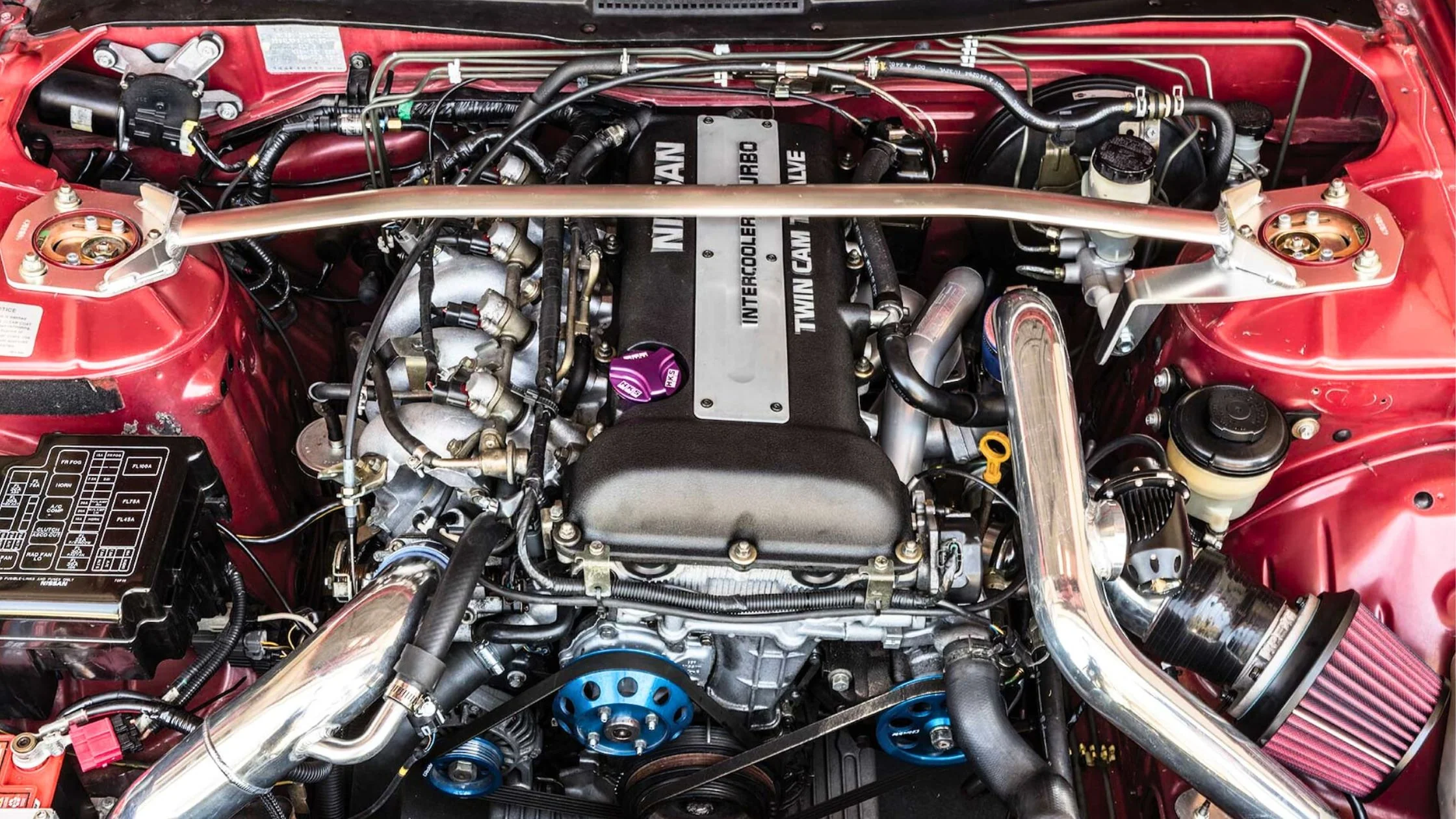
How New York’s Import Scene Is Fueling Demand for JDM Engine Swaps

Walk through any car meet in the New York area on a Friday night and you’ll notice something: the imports are no longer a niche curiosity. Skylines, Silvias, and Preludes sit parked next to modern builds, drawing crowds who know exactly what’s under the hood. What used to be a small, tight-knit group of import enthusiasts has grown into one of the most active JDM communities on the East Coast, and a lot of that growth traces back to one thing: engine swaps.

For years, JDM engine swaps were something you heard about through forums or word of mouth from a friend who “knew a guy.” Now, it’s a mainstream part of the build culture in New York, with shops, meets, and online communities all feeding into a scene that shows no signs of slowing down.

The Growth of JDM New York as an Import Hub

New York’s position as a major port city has always made it a natural entry point for imported vehicles and parts, but the last several years have seen that advantage turn into something bigger: a genuine hub for the JDM scene. Established import networks in the region mean shorter wait times and more competitive pricing compared to areas without direct access to shipping routes from Japan. That logistical advantage, paired with a growing enthusiast base, has made JDM New York a recognizable name among people searching for engines locally rather than gambling on a listing from across the country.

Buyers increasingly want to see what they’re getting, talk to someone who knows the inventory, and avoid the guesswork that comes with buying sight unseen.

Local shops have picked up on this shift too. Where a shop might have once specialized purely in domestic performance work, many now carry JDM inventory or partner with importers directly, responding to demand rather than creating it.

Why Local Buyers Are Choosing JDM Swaps Over Domestic Rebuilds

Engine Swaps

The appeal of a JDM swap isn’t just about rarity, though that’s part of it. A few practical factors keep pushing buyers toward imported engines instead of rebuilding what’s already under the hood:

  • Lower mileage relative to age. Japan’s vehicle inspection system (shaken) makes it expensive to keep older cars on the road past a certain point, which means many JDM engines are pulled from vehicles with surprisingly low mileage for their age.
  • Factory tuning and trim variety. Engines like the SR20DET, RB26DETT, and K20A were built with performance in mind from the factory, often in trims that never made it to the U.S. market officially.
  • Cost versus a full rebuild. For many owners, sourcing a solid JDM engine ends up being more cost-effective than machining, rebuilding, and sourcing parts for a tired domestic block, especially when rare components are involved.

None of this is new information to seasoned import owners, but it’s exactly why the swap conversation keeps coming up at meets and in shop waiting rooms. It’s less about chasing a trend and more about practical value for the money.

What to Know Before Sourcing an Engine Locally

Buying a JDM engine, whether locally or shipped in, still comes with the same due diligence any used engine purchase requires. A few things worth checking before committing:

  1. Compression numbers. Ask for a compression test if it’s available, or budget for one yourself before installation.
  2. Mileage verification. Odometer readings on imported engines can be difficult to confirm with certainty, so look for sellers who provide documentation or auction sheets when possible.
  3. Engine code matching. Confirm the engine code matches what your chassis actually supports, since trim variations can affect wiring harnesses, ECU compatibility, and mounting points.
  4. Flood or salvage history. Rust in unexpected places, corrosion on electrical connectors, or a strong musty smell can all be signs of water damage that a quick visual inspection might miss.

Buying locally has an obvious advantage here: you can often inspect the engine in person or have someone you trust do it for you, rather than relying entirely on photos and a seller’s word.

The Role of Community and Local Shops in the Scene

A lot of what makes buying locally appealing isn’t just logistics, it’s trust. Car meets and local shops function as informal reputation systems. If a shop has a track record of selling solid engines with accurate mileage and no hidden damage, that reputation spreads fast within the community, and just as quickly, so does word about a shop that doesn’t.

This word-of-mouth element matters more in the JDM world than in a lot of other automotive niches, simply because so much of the inventory comes from overseas with limited documentation. Buyers lean heavily on relationships and community trust to fill the gaps that paperwork alone can’t cover.

Where the Scene Goes From Here

The New York import scene doesn’t show signs of slowing down. If anything, the combination of port access, an active enthusiast base, and shops adapting to demand suggests the local JDM market will keep growing rather than plateau. For anyone considering a swap, the takeaway is straightforward: do the homework, lean on community reputation where you can, and treat the purchase with the same scrutiny you’d apply to any major mechanical investment.

Gas Storage Hot Water Service in Camillo: Tank Flush and Anode Replacement Explained

Most people don’t think about their hot water system until it stops working. As long as the shower runs hot and the kitchen tap delivers what it should, the tank sitting quietly in the garage or outside wall gets ignored. But a recent job in Camillo is a good reminder that gas storage systems need attention long before they actually fail, and that a bit of routine servicing can add years to a tank’s working life.

The homeowner had noticed a faint rumbling from the tank and slightly less hot water than usual, but nothing dramatic enough to call an emergency plumber. That turned out to be exactly the right time to get it looked at.

What a Gas Storage Hot Water System Needs (And Why Servicing Gets Skipped)

A gas storage system works by holding a tank of water and reheating it with a gas burner as needed. Two parts inside that tank wear down steadily over time, even when everything seems to be working fine. Sediment builds up on the bottom of the tank from minerals in the water supply, and the sacrificial anode, a rod designed to corrode instead of the tank itself, slowly wears away as it does its job.

Neither of these problems is visible from the outside, and neither one causes an obvious issue until it’s fairly advanced. That’s exactly why most homeowners never get around to servicing their system until something goes wrong. Regular gas storage hot water system servicing in Perth is designed to catch sediment buildup and anode wear early, before they turn into a tank failure or a full replacement.

Warning Signs Your System Needs a Service

Gas Storage

A few signs tend to show up before a system fails outright:

  • Rumbling or banging noises coming from the tank
  • Rusty or discoloured hot water coming out of taps
  • Reduced hot water volume or inconsistent temperature
  • A system that’s five or more years old and has never been serviced

Any of these on their own is worth a look. Together, they usually mean sediment and anode wear have been building for a while.

The Camillo Job: What the Service Involved

The job followed a fairly standard servicing process, though each step matters more than people tend to assume:

  1. An initial inspection of the tank, fittings, and gas connections to check for any obvious faults
  2. Draining and flushing the tank to clear out built-up sediment from the base
  3. Removing and inspecting the sacrificial anode, which was worn down significantly and needed replacing
  4. Checking the pressure relief valve and connections for wear or leaks
  5. Refilling the system and testing water temperature and pressure at the tap

Once the flush and anode replacement were done, the rumbling noise was gone and hot water flow returned to normal.

Why Sediment and Anode Wear Matter Long-Term

Sediment buildup does more than cause noise. It sits between the burner and the water, reducing heating efficiency and pushing gas bills up as the system works harder to reach the same temperature. Left long enough, it also contributes to premature tank failure.

The anode is even more critical. Once it’s fully corroded away, the tank itself becomes the next thing exposed to corrosion, which eventually leads to leaks. A tank that’s leaking generally can’t be repaired, only replaced, so a worn anode left unchecked is often the difference between a small service cost and a full system replacement.

How Often Should Servicing Happen

As a general rule, most gas storage systems benefit from a service every one to two years, though it’s worth checking manufacturer guidelines for the specific unit. Systems in areas with harder water may need more frequent attention, since sediment builds up faster.

Catching issues during a routine service is almost always cheaper and less disruptive than dealing with a tank failure, which usually means no hot water and an emergency callout at the worst possible time.

If your hot water system is making noise, running low on hot water, or hasn’t been serviced in a few years, it’s worth getting it checked before those small warning signs turn into a full replacement.

Estimate Potential Outcomes Faster With VolRadar Trading Tools

Successful trading often depends on the ability to evaluate possible outcomes quickly and efficiently. Modern trading tools help users simplify calculations, organize important information, and gain a clearer understanding of potential scenarios before making decisions. Features designed for speed and accuracy allow traders to focus more on strategy development while reducing the time spent on manual calculations and analysis.

Faster Calculations Improve Efficiency

One of the greatest advantages of advanced trading tools is their ability to perform calculations rapidly. Quick access to projected results helps traders review opportunities with greater confidence.

  • Reduces time spent on manual calculations.
  • Provides instant estimates for various scenarios.
  • Simplifies complex trading evaluations.
  • Helps users compare multiple possibilities quickly.
  • Supports a more efficient decision-making process.

These benefits allow traders to spend more time focusing on market opportunities rather than lengthy calculations.

Visual Insights Enhance Understanding

VolRadar Trading

Clear visual representations can make financial information easier to interpret. Well-designed analytical features help users understand data at a glance.

  • Graphical displays simplify analysis.
  • Visual projections improve clarity.
  • Easy-to-read layouts reduce confusion.
  • Organized information supports faster reviews.
  • Scenario comparisons become more accessible.

By presenting information visually, traders can identify patterns and potential outcomes more effectively.

User-Friendly Features Support Better Planning

Ease of use is essential when evaluating trading opportunities. Intuitive features help traders navigate tools efficiently and obtain the information they need without unnecessary complexity.

  • Straightforward interfaces improve usability.
  • Simplified inputs save valuable time.
  • Easy navigation enhances productivity.
  • Organized workflows reduce effort.
  • Quick access to important metrics improves convenience.

These characteristics contribute to a smoother and more productive trading experience.

Scenario Analysis Encourages Strategic Thinking

Trading tools can assist users in examining multiple possibilities before making decisions. This capability helps support more informed planning.

  • Compare different outcome projections.
  • Evaluate potential gains and losses.
  • Explore various market conditions.
  • Test alternative strategies efficiently.
  • Improve confidence through better preparation.

Scenario analysis provides valuable insights that can contribute to stronger trading strategies.

Accuracy Supports Decision Making

Reliable calculations are important when reviewing potential opportunities. Accurate projections help traders evaluate positions with greater confidence.

  • Consistent calculations improve trust.
  • Reduced errors compared to manual methods.
  • Clear data presentation enhances understanding.
  • Better estimates support planning.
  • Improved reliability encourages informed analysis.

Accurate information can play a key role in supporting effective trading decisions.

Convenient Tools Save Valuable Time

Efficiency remains a priority for many traders. Features that streamline analysis can significantly reduce workload while improving productivity.

  • Faster access to important information.
  • Simplified evaluation processes.
  • Reduced need for repetitive calculations.
  • Enhanced workflow management.
  • More time available for strategy refinement.

Time-saving functionality allows traders to focus on developing and improving their approaches.

Supporting Smarter Trading Experiences

Modern trading tools continue to enhance the way traders evaluate opportunities and estimate potential outcomes. Features such as visual analysis, rapid calculations, scenario testing, and user-friendly navigation create a more efficient experience. Solutions like the VolRadar options profit calculator extension demonstrate how advanced analytical features can help traders review possibilities more effectively, save valuable time, and approach market opportunities with greater clarity and confidence. As trading technology continues to evolve, these tools are expected to remain valuable resources for improving efficiency and supporting informed decision-making.

Premier Buyers Agency Services in Brisbane: what actually matters (and what’s fluff)

Hot take: if a Brisbane buyers agency can’t explain exactly how they stop you overpaying, they’re not “premier.” They’re a tour guide with a licence.

And yes, that sounds harsh. But I’ve watched too many buyers get sold a vibe: glossy suburb talk, confident phone voice, a few “exclusive” listings… then a contract lands with holes big enough to drive a removalist truck through.

One line to keep in mind:

You’re not paying for access. You’re paying for judgement under pressure.


 The “premier” checklist you can’t skip

Some of this is boring. That’s the point. The boring stuff is where money gets saved. If you’re comparing premier Brisbane buyers agency services, this is the checklist that separates polished marketing from real execution.

You want to see:

Transparent fees (retainer vs success fee, plus what’s not included)

A verifiable track record (not just testimonials, but deal logic and outcomes)

Local, suburb-level insight you can stress-test (flood, zoning, stigma streets, school boundaries)

Off-market sourcing that’s genuine (not recycled agent databases)

Negotiation structure (walk-away rules, bidding plan, escalation points)

Risk controls: due diligence checklists, legal coordination, settlement planning

Reporting cadence you don’t have to chase (weekly is common; “whenever there’s news” is not)

Now, this won’t apply to everyone, but if you’re time-poor or buying from interstate/overseas, the reporting and decision systems matter almost as much as the sourcing.


 A slightly messy (but effective) 5-step way to choose a Brisbane buyers agent

Some people want a neat framework. Fine. Here’s one that holds up in real deals, where the market shifts mid-search and your lender asks for one more document at the worst possible time.


 1) Get brutally clear on your brief

Budget, timeline, non-negotiables, preferred suburbs, and the real trade-offs you’ll accept.

If your agent can’t repeat your brief back to you in plain English, you’re already in trouble.


 2) Ask how they use data, not whether they have it

Every agency has “data.” The question is whether they can turn it into a decision edge: pricing confidence, negotiation leverage, risk flags.

A specific stat, because it cuts through the noise: Queensland’s interstate migration remains a major demand driver and has materially influenced housing pressure over the last few years. The Australian Bureau of Statistics tracks this via migration and population releases (see ABS, National and State Information / Migration data: https://www.abs.gov.au). If an agent talks Brisbane without referencing migration and supply constraints at least occasionally, they’re operating on vibes.


 3) Test for cultural/suburb intelligence (the stuff spreadsheets miss)

Here’s the thing: Brisbane is a city of micro-markets. Two streets apart can mean different flood exposure, different owner-occupier ratios, different noise patterns, different buyer depth.

In my experience, the best agents will casually mention things like:

– which pockets attract repeat bidders

– where renovation quality is commonly overstated

– how school catchments distort pricing

– which “good suburbs” have awkward resale quirks

That’s not trivia. That’s pricing power.


 4) Make them show their transparency systems

Not just “we’re transparent.” Actual mechanics:

– Written scope of service

– Milestones

– What you’ll receive each week (shortlist rationale, inspection notes, pricing range, risk items)

– Conflict policy (who they accept referral fees from, if anyone)

If they hesitate on this, assume the process is ad hoc.


 5) Speed and adaptability (because Brisbane can move fast)

The right agent isn’t frantic. They’re prepared.

You’re looking for decision speed with guardrails: clear criteria, pre-planned escalation, and an ability to pivot when listing volumes, auction conditions, or buyer competition shifts.


 What a top Brisbane buyers agent actually delivers (not the brochure version)

Some agencies act like their job ends at “we found a house.” That’s entry-level.

A top-tier operator is doing a few things at once:

Market benchmarking that’s defensible.

Not “I think it’s worth…” but “here’s the comparable set, here’s why this one trades at a premium/discount, here’s the risk-adjusted price ceiling.”

Shortlists that reduce decision fatigue.

Three good options with clear trade-offs beats twelve “maybes.” Always.

Off-market sourcing that’s verifiable.

If they claim off-market access, ask where it came from: direct owner outreach, agent relationships, database campaigns, developer channels? (And how often those leads actually convert.)

Negotiation that’s structured.

Offer terms, settlement timing, special conditions, inclusions, deposit strategy, this is where money quietly gets saved.

Due diligence integration.

They don’t replace your solicitor or inspector, but they coordinate the moving parts so you’re not discovering a body corporate nightmare two days before cooling-off ends.

One more thing: good agents explain what they don’t know yet. That honesty is a feature.


 Track record and credibility: prove it or it didn’t happen

A credible agency can show:

– deal examples with starting brief → final purchase → rationale

– time-to-buy ranges by buyer type (investor vs family upgrader, etc.)

– pricing accuracy: how close their valuation range was to the final purchase price

– situations where they advised a client to walk away

Look, testimonials help, but they’re not evidence. Ask for case studies that include the messy bits: competing offers, failed contracts, renegotiations after building/pest.


 Quick credibility verification (practical, not ceremonial)

– Confirm the agent holds the right licence in QLD (and check the business entity)

– Cross-check reviews across multiple platforms, not just the ones embedded on their site

– Ask for two references: one smooth purchase, one complicated one

The complicated one tells you who they are


 Fees: what you should pay for (and what you shouldn’t)

Transparent fees aren’t just politeness. They’re risk control.

A fee schedule should separate:

– engagement/retainer

– success fee

– third-party costs (building & pest, strata searches, legal, valuation, etc.)

– any extra charges for auctions, commercial assets, or extended search periods

If the fee structure is vague, accountability gets vague right after it.

Opinionated take: I’d rather pay a clear premium for an agency with hard process and documented due diligence than chase the cheapest option and accidentally buy a lemon with “character.”


 Off-market opportunities: don’t romanticise them

Off-market isn’t automatically better. Sometimes it’s just… hidden for a reason.

The useful off-market angle is speed and reduced competition, not magical discounts. What you’re looking for are genuine motivation signals:

– inherited property with executors wanting clean terms

– landlords exiting due to changing yields or compliance costs

– owners testing pricing quietly before committing to a campaign

– properties that would underperform in open inspection theatre

And yes, you still benchmark it like any other deal. No free passes.


 Brisbane suburb insights that drive returns (a little technical, because it matters)

Brisbane performance is often dictated by micro-market drivers:

– supply constraints (zoning, character overlays, limited subdivision potential)

– infrastructure and amenity uplift

– flood risk (not just “flooded / didn’t flood”, depth, frequency, insurance impact)

– rental dynamics: vacancy, tenant depth, rent growth sustainability

A decent agent can talk about suburb growth. A great one explains why this specific pocket holds demand during weaker cycles.

One-line emphasis:

“Good suburb” doesn’t protect you from a bad asset.


 Risk management: due diligence and settlement planning (where adults earn their money)

This part isn’t sexy, so it gets neglected, until it’s too late.

A disciplined buyers agency will run (at minimum) checks and coordination around:

– title, easements, covenants, encumbrances

– zoning and overlays

– contract conditions: finance, building/pest, special clauses

– strata/body corporate records (if applicable): sinking fund, disputes, levies, upcoming capex

– settlement timing aligned with finance readiness

I like seeing an audit trail: questions asked, answers received, documents saved. If there’s no paper trail, there’s no protection.


 Red flags (the ones that keep showing up)

Some warning signs are obvious. Others hide behind charm.

Be cautious if you see:

– “Don’t worry, we’ll handle it” energy with no written process

– fee blur (or “we’ll work it out later”)

– reluctance to provide references

– pressure to move fast without explaining the risk trade-off

– guaranteed growth claims, especially around luxury or waterfront property

– heavy reliance on referral partners without disclosing incentives

If they can’t explain conflicts of interest cleanly, assume they exist.


 Client experience: communication that actually helps you buy well

You don’t need daily messages. You need useful rhythm.

A strong agency typically runs:

– structured check-ins (weekly or twice weekly in hot phases)

– shortlists with reasons, not just links

– clear decision points (what needs your approval, what doesn’t)

– fast escalation when the market shifts or a risk pops up

Good reporting is simple: what happened, what we learned, what we’re doing next, and what you need to decide.

Because at the end of this, you’re signing a contract, usually under time pressure, and you should feel informed, not herded.